
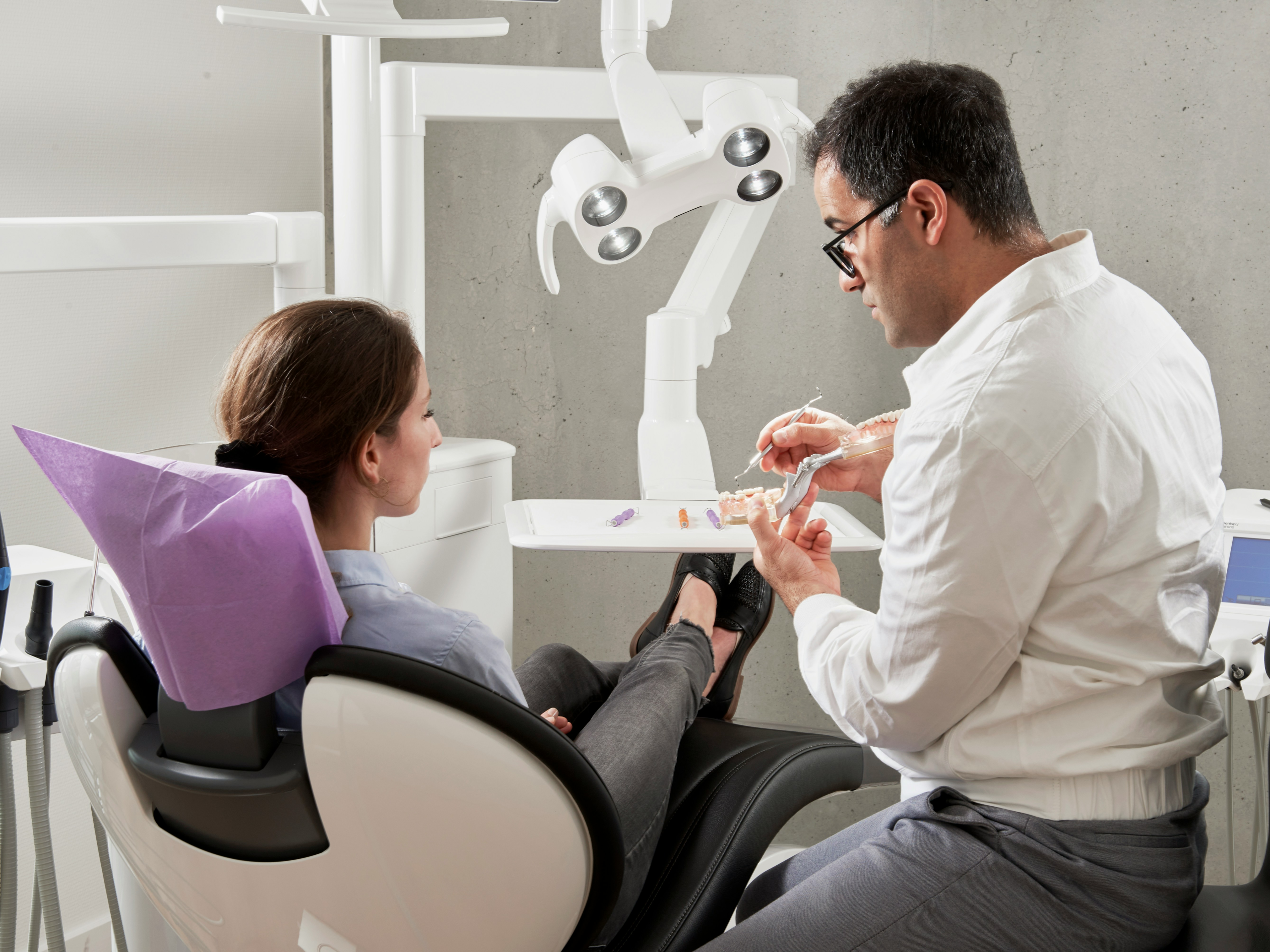
Dentistry has long been treated as a reactive service, where patients come in with a problem and the dentist fixes that single tooth. It’s quick and transactional. But as Dr. Raj Upadia and Dr. Steve shared in a recent in-depth conversation, there is a more effective and fulfilling way to approach dentistry. They described how to create a practice centered around relationships, comprehensive care, and patient education, using the Dawson philosophy as the foundation.
Both general dentists began their journeys with the Dawson Academy by taking courses that opened their eyes to a completely different way of practicing. Like many others, they felt overwhelmed by the sheer amount of information at first but committed to implementing what they had learned step by step. Dr. Upadia recalled buying a traditional practice from a retiring dentist and quickly realizing how much undiagnosed disease and instability was present in his patients. “When I started implementing the Dawson concepts, I realized quickly how much more patients needed than just single-tooth fixes,” he said. Slowly, he adapted his systems and communication to help patients see the bigger picture of their oral health. Similarly, Dr. Steve purchased a practice that had declined over time and decided to rebuild it on Dawson principles. “It was a lot to take in, but as I started seeing results with patients, it became clear this was the right way to practice,” he said.
One of the biggest differences between a Dawson-style practice and a typical high-volume office is the emphasis on building a real relationship with each patient. Many practices remain transactional: fix the problem, move on. But these dentists make the effort to understand the patient’s history, priorities, and goals, forming a partnership. “We’re not just providing a service,” Dr. Upadia explained. “We’re forming a relationship where we diagnose and make decisions together.” He credits this to one of Dr. Dawson’s guiding principles: “Would I do it on me?” This mindset changes not only what you recommend but also how you explain it, making patients more receptive. Dr. Steve agreed that patients can feel the sincerity and are more likely to trust and commit to treatment when they sense you truly care about them as people.
Both dentists emphasized how essential it is to have the whole team aligned with this philosophy. Without staff support, implementing a comprehensive approach is nearly impossible. Dr. Steve described how his front desk staff sets the tone during the very first phone call, explaining the practice philosophy and asking the right screening questions. This helps determine whether the patient is a good fit and prepares them for what to expect. Assistants and hygienists are equally important. “My assistant already has much of the Smile Wizard filled out before I even enter,” said Dr. Upadia. “By the time I sit down, the patient has already started to understand why we take a different approach.” Having everyone on the team trained to notice signs of instability and help educate patients makes the experience feel seamless and consistent.
In their practices, every patient receives a comprehensive examination regardless of whether they’re ready to move forward with treatment. “Everyone who walks in deserves to understand what’s going on in their mouth,” said Dr. Steve. “Even if they don’t act right away, they deserve to know.” These exams build trust and show that you’re invested in their long-term health. Smile Wizard plays a key role here by providing a consistent, easy-to-follow structure for documenting and presenting findings. Patients often comment that no one has ever spent that much time or been that thorough before.
Moving patients from comprehensive exam to records and then treatment sometimes takes time. Both doctors emphasized patience and the importance of planting seeds. Some patients are ready right away, while others need months or even years to internalize the findings and prioritize treatment. Dr. Upadia explained that he never pressures patients into decisions they’re not ready for. “We let them know we’re here for them when they’re ready,” he said. Flexible options, like phasing treatment and crediting the cost of records toward future care, make it easier for patients to say yes when the time comes.
Clear, relatable communication also makes a big difference. Dr. Upadia often uses car analogies to explain alignment and balance, while Dr. Steve prefers to compare the mouth to a house foundation. Smile Wizard’s visual tools, like annotated photos and time-lapse scans, help patients see the problems and better understand what’s at stake. Education is central to the process, even when a patient isn’t ready to commit yet.
Practicing this way is not only better for the patient but more rewarding for the dentist and team. “You go home feeling good about the work you’ve done,” said Dr. Upadia. “You’re solving problems and making a difference, not just putting out fires.” Over time, this approach also strengthens the practice through word-of-mouth referrals and a reputation for excellence.
For dentists looking to implement the Dawson philosophy in their own offices, both doctors recommend starting small, involving the entire team, using tools like Smile Wizard to stay consistent, and being patient with yourself and your patients. “Even if you convert just one or two patients to records each month when you’re starting, that’s progress,” Dr. Steve said. “It builds over time.” Dr. Upadia added, “Every patient deserves to understand what’s really going on in their mouth. If you stay true to that, you’ll build a practice you can be proud of.”